


our history
Remember the days of old; consider the years of many generations; ask your father,
and he will show you, your elders, and they will tell you. ~
Deuteronomy 32:7
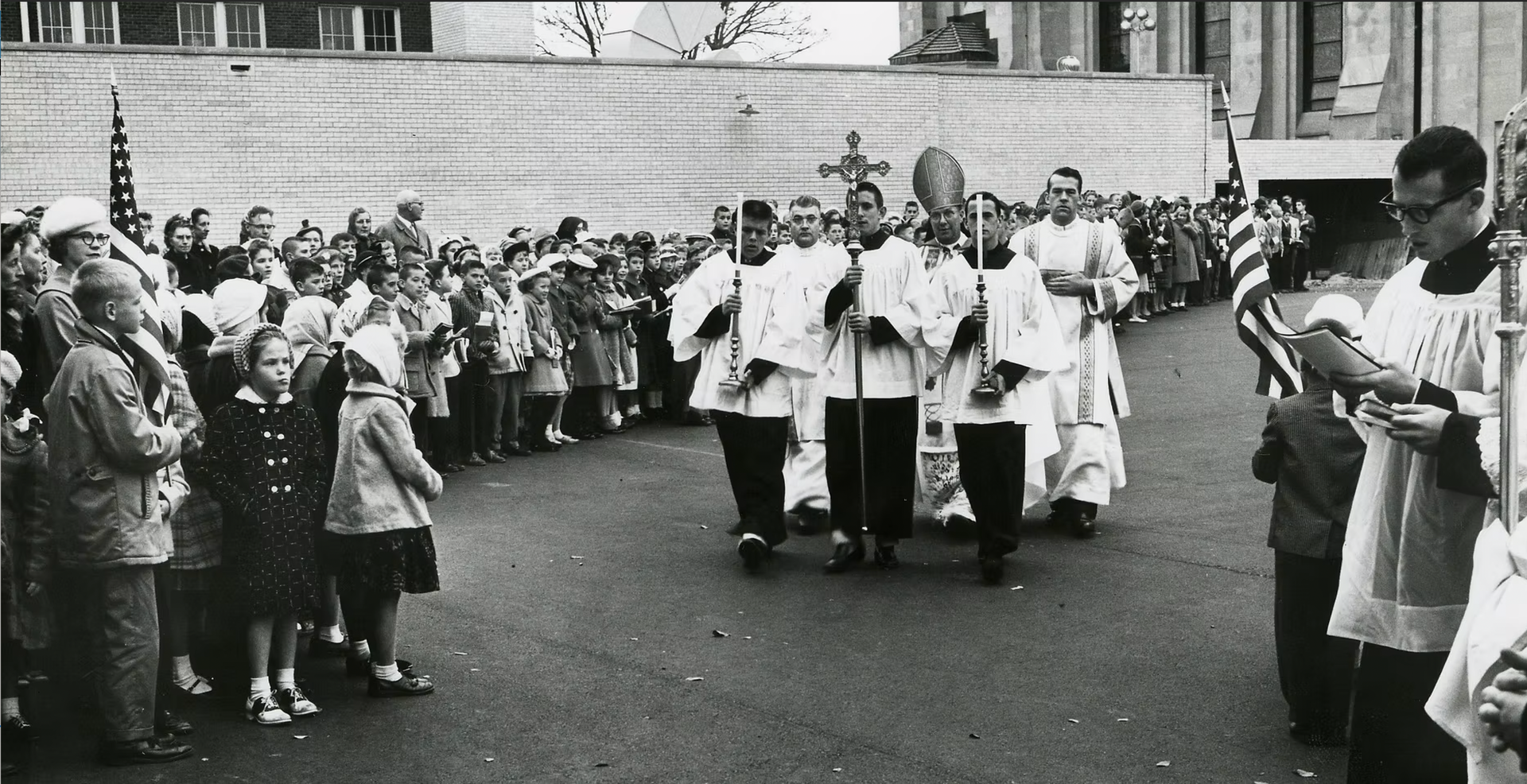
Our history
To understand today means to understand the pathway that got us here.
Since the establishment of the diocese in 1889, rural and urban parishes have dotted the landscape of eastern South Dakota. Over the course of our history, some 302 parishes have been erected. Today, 117 remain—a sign of continuous change. Though the parish landscape has changed, the faith of the Catholics in those parishes has remained an enduring legacy of the prairie we inhabit.
The Catholics east of the Missouri River have shown time and again that no matter what life throws at them, they find a way to unite with those around them and sustain their faith and their commitment to each other as people of God. Whether a new parish is being built in a growing area, or parishes are connecting to each other to share a pastor, the people in them have done their best to support their church, each other and their families.
A long-standing history
Our Lady of Grace Pastorate was formed as part of the diocesan pastoral planning process to bring together neighboring parishes in faith and mission. Rooted in the rich Catholic heritage of central South Dakota, the pastorate united St. James (Chamberlain), St. Margaret’s (Kimball), St. Peter’s (White Lake), St. John’s (Plankinton), and St. Mary’s (Stickney).
The roots of these parishes stretch back to the late 19th and early 20th centuries, when Catholic settlers—many of them immigrants—began building churches and schools to serve the growing communities of the region. Each parish was founded through the dedication and sacrifice of families determined to preserve and pass on their Catholic faith. Over the decades, parishioners celebrated countless baptisms, weddings, funerals, feast days, and parish events, creating a legacy of worship and fellowship.
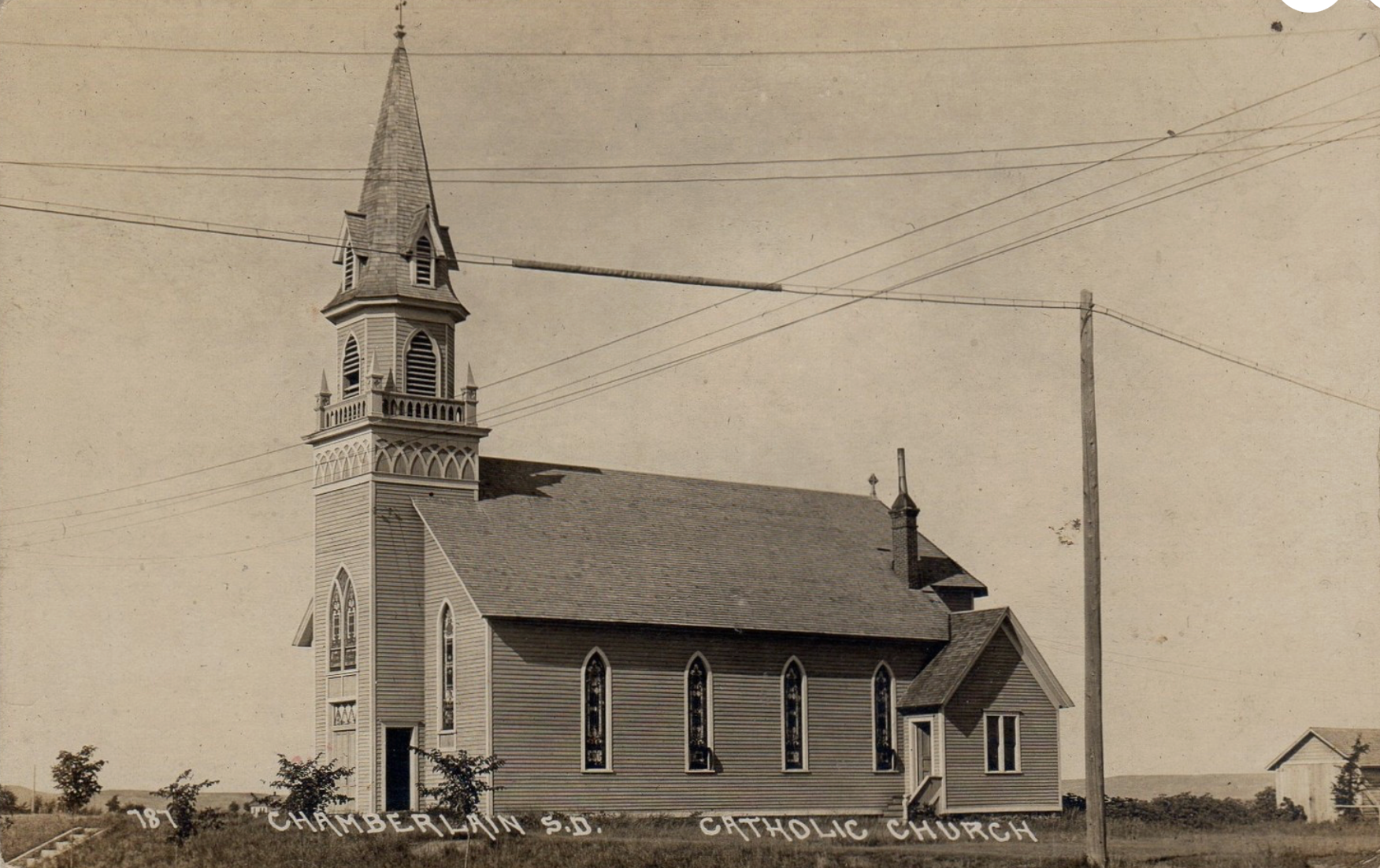
In Chamberlain, St. James Parish was incorporated in 1891, and its first church was built in 1903, dedicated by Bishop O’Gorman. Initially served by traveling missionaries, the parish became fully established as its own community in 1921, providing a spiritual home for generations of Catholics in the area.
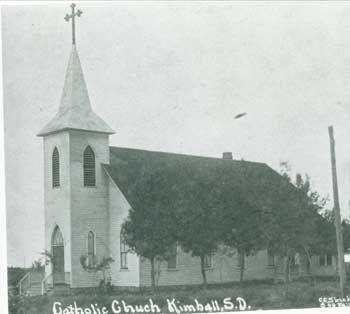
St. Margaret’s Parish in Kimball was first organized in 1888 as a mission of St. Peter’s in White Lake, with its first resident priest arriving in 1892. After a fire destroyed the original church in 1916, the community rallied together to rebuild, holding the first service in the new church later that year. As Fr. O’Gorman reflected, the rebuilt church stood as “a monument in brick and wood and stone of your faith in, and worship of, Him, for Whom you built it.”
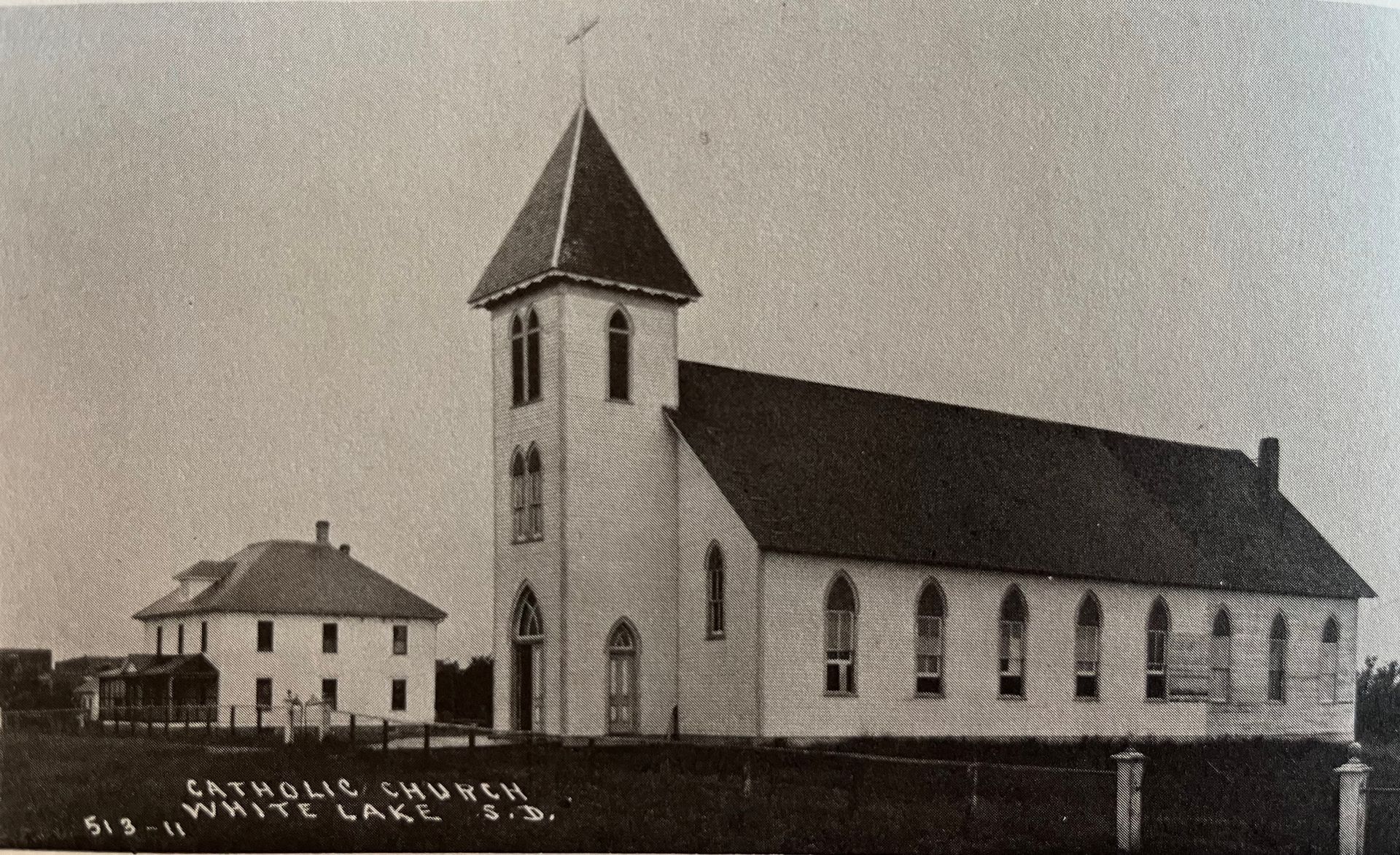
In White Lake, St. Peter’s Parish began holding services in 1883 in local homes before the first church was constructed in 1884 under Fr. Wilhelm’s guidance. Despite challenges such as a fire in 1925 and the hardships of the “Dirty Thirties,” the parish persevered with the support of the community. A remodeled church welcomed parishioners again in 1945, followed by the dedication of the current building in 1967.
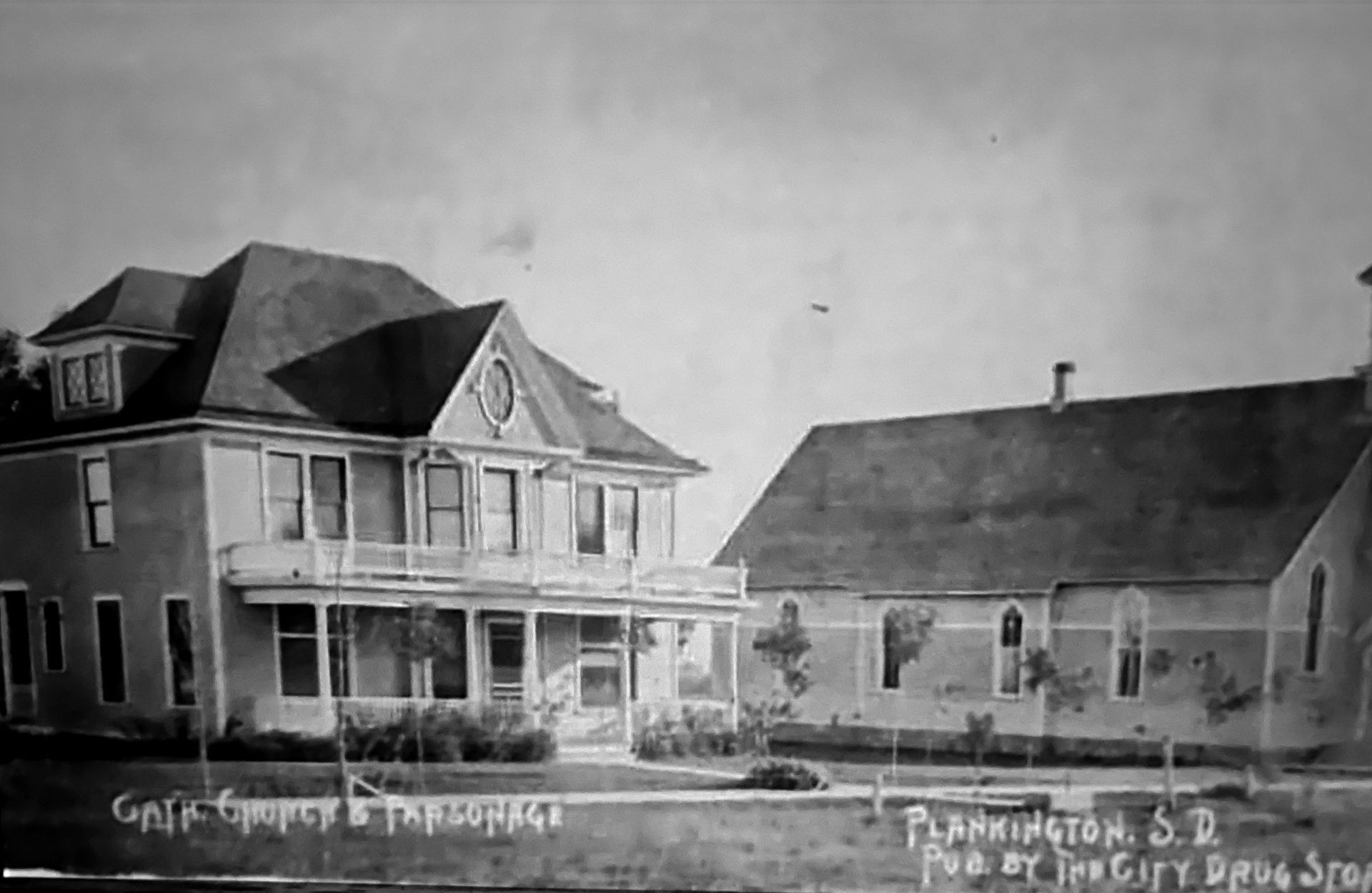
St. John’s Parish in Plankinton welcomed its first Mass in 1881, celebrated in a hardware store or private homes. The parish gradually established proper church facilities, with the second church built in 1896 and the present church completed in 1923 under Fr. Slattery’s direction. The community’s faith and commitment allowed St. John’s to grow and thrive over the decades.
St. Mary’s Parish in Stickney began as a small congregation in 1908, served initially by visiting priests from Plankinton. The parish built its first church in 1910 and welcomed its first resident pastor in 1909. Over the years, the parish expanded its church and residence, weathered a period as a mission church under St. John’s, and eventually built a new parish hall in the mid-1990s, which remains a hub for parish life today.
As populations shifted and priestly vocations became fewer, the Diocese encouraged parishes to collaborate more closely. This led to the formation of the Our Lady of Grace Pastorate, named in honor of the Blessed Virgin Mary, our patroness and model of discipleship. While each parish retains its individual identity, the pastorate structure allows the communities to work together in faith formation, sacramental preparation, outreach, and service—continuing a shared mission that spans more than a century.